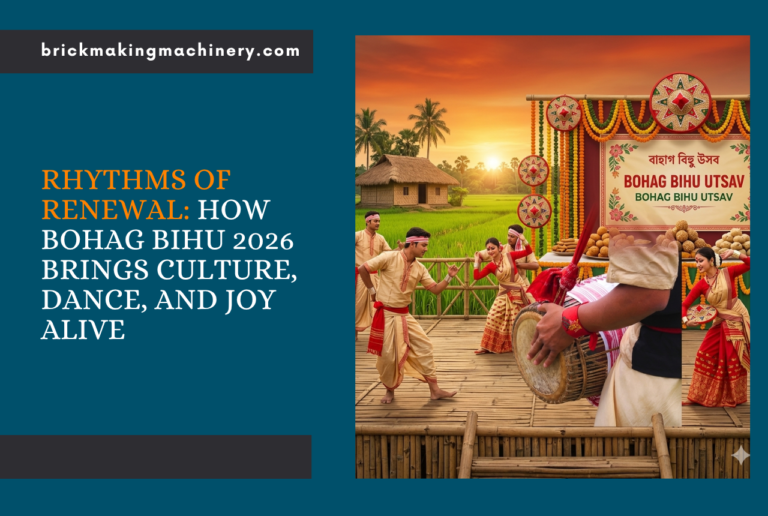
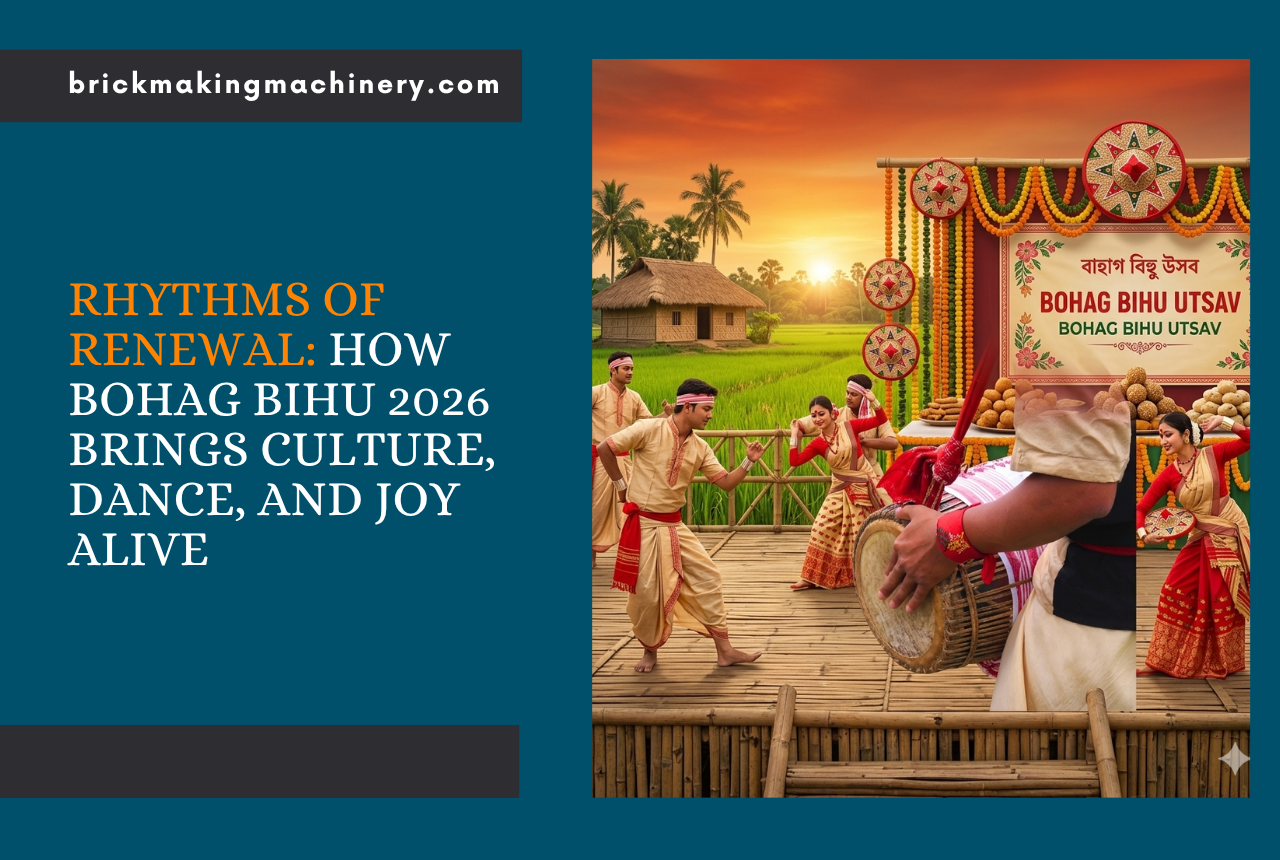
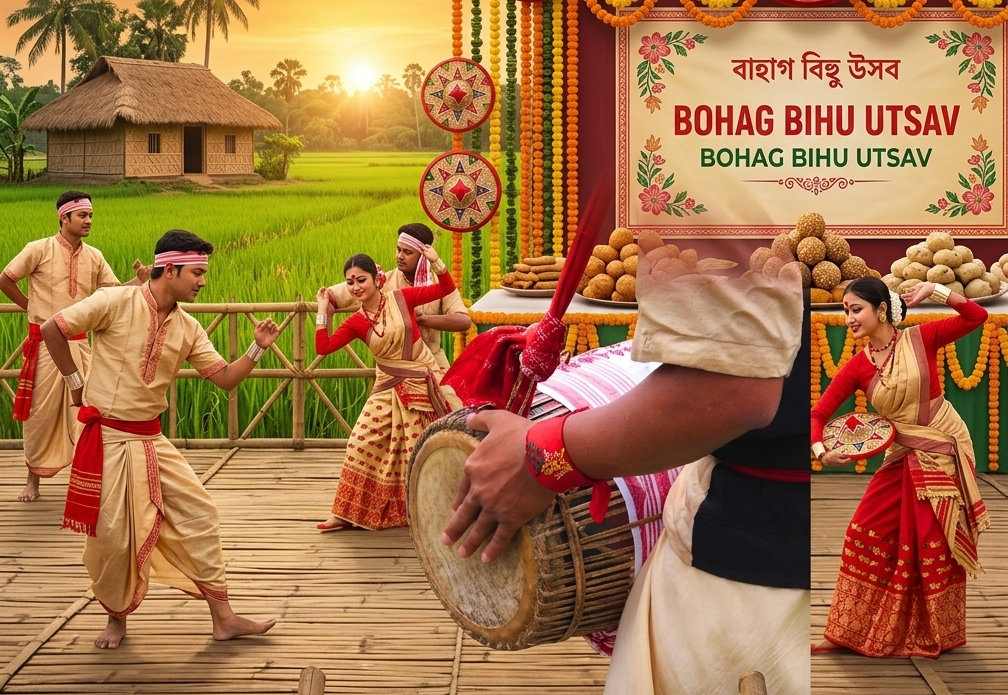
Every April, the air in Assam fills with the beat of dhol drums, the rustling of colorful mekhela chadors, and the aroma of freshly made pithas. This is Bohag Bihu — Assam’s most beloved festival and a powerful symbol of new beginnings, community strength, and the enduring bond between people and the land they build their lives upon.
Whether you are from Assam, have roots in the Northeast, or simply want to understand one of India’s most vibrant cultural celebrations, this guide covers everything you need to know about Bohag Bihu 2026 — its dates, rituals, significance, and what makes it so deeply special.
When Is Bohag Bihu in 2026?
Bohag Bihu 2026 will be celebrated from Tuesday, 14th April to Monday, 20th April 2026, marking the beginning of the Assamese New Year and the arrival of spring.
At the state level, Assam has traditionally declared this day a Gazetted Holiday, reflecting its deep regional importance. For businesses, families, and communities across Assam and beyond, this week is set aside for celebration, reflection, and renewal.
What Is Bohag Bihu? Understanding the Rongali Festival
Also known as Rongali Bihu, this is the national festival of Assam — one of the most beautiful states of India, famed for its tea gardens, green forests, and the Brahmaputra River. The Assamese celebrate three festivals called Bihu during the year: Rongaali Bihu or Bohag Bihu in April, Kati Bihu or Kongaali Bihu in October, and Magh Bihu or Bhogaali Bihu — each marking a distinct phase of the farming calendar.
The meaning of Bihu has its origins in the Sanskrit term ‘Bishu’, which suggests ‘to ask blessings and prosperity from the Gods’ during the harvest season of Assam. The festival is not just a cultural event — it is a deeply agrarian tradition that honors the soil, the seasons, and the spirit of community.
Just as a strong foundation is essential in agriculture and construction alike — as any manufacturer of durable brick making machinery understands — Bohag Bihu reminds us that the best outcomes come from working in harmony with nature and timing. Bricks are the building blocks of civilization, and Bihu is the cultural block upon which Assamese identity is built.
The Seven Phases of Bohag Bihu 2026
One of the most fascinating aspects of Bohag Bihu is that it unfolds over seven distinct phases, each with its own name and ritual:
1. Chot / Raati Bihu This phase was usually performed beneath an ancient tree or in an open field illuminated by burning torches. It was celebrated in the villages and was meant as a gathering for local women. The participation of men was mostly ceremonial where they played a pepa — a buffalo hornpipe.
2. Goru Bihu The first day of Bihu is called ‘Garu Bihu’. On this day the household cattle are taken to the river and bathed, and people pray for the wellbeing and safety of their livestock. This ritual reflects the age-old bond between Assamese farmers and the animals that power their fields.
3. Manuh Bihu On this day, people take a bath with a paste of turmeric, wear new clothes, and seek blessings from elders. This is followed by jalpan — a light breakfast of sticky rice along with curd and jaggery.
4. Kutum Bihu On this day people visit their families, relatives, and friends and have lunch or dinner together, sharing news and stories.
5. Mela Bihu The third day is marked by cultural events and competitions in outdoor locales — a fair-like atmosphere bursting with folk performances and communal joy.
6. Sera Bihu (Bohagi Bidai) Also called Bohagi Bidai or Phato Bihu, this is the fourth and final day of Rongali Bihu. In different regions of Assam, people celebrate it differently, but the common theme is wrapping up the celebrations with contemplation and future resolutions.
7. Chera Bihu The final phase brings the week of celebrations to a ceremonial close, with communities reflecting on the harvest ahead and the year to come.
Bihu Dance, Music, and Cultural Traditions
No description of Bohag Bihu is complete without talking about its most iconic element — the Bihu dance.
The folk dance of Bohag Bihu is known as ‘Bihu dance’ — an important part of not only the festival but also Assamese culture. The dance is performed in groups consisting of young men and women, and their dancing style is characterized by brisk steps and rapid movement of the hands.
The folk songs associated with Bohag Bihu are known as ‘Bihu Geet’, a symbolic communication of love and romance among the village youth. The dances are accompanied by traditional Assamese instruments. The dhol (drum), pepa (buffalo horn flute), and gogona (jaw harp) create a soundscape that is uniquely, unmistakably Assamese.
According to UNESCO’s documentation of intangible cultural heritage, folk traditions like Bihu represent living heritage — kept alive through participation, not preservation in museums.
The Gamosa: Symbol of Assamese Pride
“Manuh Bihu” involves the tradition of seeking blessings from the elders in a family and presenting the ceremonial Bihuwan or the Gamusa cloth as a gift, to be worn as a symbol of cultural pride. A ‘Gamusa’ is an indispensable part of indigenous Assamese life and culture with its distinctive symbolic significance. The intricacy of its handcrafting historically heralded the ideas of friendship, love, regards, warmth, and hospitality.
Gifting a Gamosa during Bohag Bihu is one of the most meaningful gestures in Assamese society — a handwoven expression of respect and affection.
Bohag Bihu and the Agricultural Spirit: A Message for Builders Too
Bohag Bihu is, at its heart, a celebration of building — building communities, building new seasons, and building hope for the year ahead.
This spirit resonates strongly with industries that are themselves anchored to the earth. Construction, infrastructure, and manufacturing share that same reverence for material, craft, and community. The professionals who rely on quality brick making machinery understand that every brick laid is part of something larger — a home, a school, a factory, a village. Just as Bihu marks the start of the planting season with purpose and optimism, every construction project begins with the same sense of renewal.
Whether you are celebrating the festival in Guwahati, Jorhat, or Dibrugarh — or building infrastructure in the region — April is a month of momentum in Assam.
National Celebrations and Global Reach
Over the years, Bohag Bihu has spread far beyond the borders of Assam. With the help of social media and digital platforms, people across the world now celebrate and share the spirit of Bihu. Assamese communities living in different parts of India and abroad organize their own Bihu events to keep their traditions alive.
The holiday unites the different native communities of Assam regardless of their backgrounds and promotes the celebration of ethnic diversity.
Today, Bohag Bihu is more than a regional festival. It is a statement of identity, resilience, and pride shared by Assamese people everywhere.
For those interested in the broader regional calendar, it is worth noting that on April 15th, eastern India also celebrates Poila Boishakh in West Bengal — two culturally distinct yet seasonally aligned celebrations that together signal agricultural renewal, commercial beginnings, and cultural reaffirmation.
How to Celebrate Bohag Bihu 2026
Whether you are in Assam or celebrating from afar, here are meaningful ways to embrace the spirit of Bohag Bihu 2026:
- Wear traditional attire — Men in dhoti and gamosa, women in mekhela chador
- Prepare traditional food — Pitha (rice cakes), laru (laddus), and jolpan (sticky rice with curd and jaggery)
- Gift a Gamosa — To elders, friends, or colleagues as a symbol of respect
- Attend a Bihutoli — Local community cultural gatherings with dance and music
- Share digitally — Post Bihu wishes and videos with #BohagBihu2026 and #RongaliBihu
Conclusion: A Festival That Builds More Than Just Memories
Bohag Bihu 2026 is a celebration of everything that endures — culture, community, agriculture, and the human spirit. As Assam welcomes the New Year, the festival continues to spread peace, togetherness, and hope across the hearts of all.
In Assam, April is the month when the land wakes up, the fields are ready, and communities come together to build something new. That impulse to create, renew, and strengthen is one we share across industries and generations.
From everyone at brickmakingmachinery.com — wishing you a joyful and prosperous Bohag Bihu 2026. May your new year be strong, your harvest be rich, and your foundations always be solid.
Frequently Asked Questions (FAQ)
Q1. When is Bohag Bihu in 2026?
Bohag Bihu 2026 begins on Tuesday, 14th April and is celebrated through Monday, 20th April 2026.
Q2. What is another name for Bohag Bihu?
Bohag Bihu is also known as Rongali Bihu, with “Rongali” meaning joyful or colorful in Assamese — reflecting the festive spirit of the celebration.
Q3. Is Bohag Bihu a national public holiday in India?
It is a Gazetted Holiday in Assam and Arunachal Pradesh. At the central government level, it is listed as a Restricted Holiday.
Q4. What is the significance of Goru Bihu?
Goru Bihu is the first day of Bohag Bihu, dedicated to honoring cattle. Livestock are bathed in rivers and blessed — a tribute to the animals that have been central to Assamese farming life for centuries.
Q5. What traditional foods are eaten during Bohag Bihu?
Popular Bihu foods include pitha (rice cakes), laru (coconut or sesame laddus), and jolpan — sticky rice served with curd and jaggery.
Q6. How is Bohag Bihu connected to agriculture and construction industries?
Bohag Bihu marks the beginning of the planting season — a time of new starts and physical building. This spirit of laying strong foundations is shared by industries like construction and manufacturing, where the quality of raw materials determines the strength of what is built.
Q7. Can people outside Assam celebrate Bohag Bihu?
Absolutely. Assamese communities across India and globally organize Bihu events. Anyone can participate by learning about the traditions, enjoying the food, or simply sharing Bihu wishes with Assamese friends and colleagues.